University of Gothenburg
How the University of Gothenburg tracks 180 daily parcels across eight campus drop off points, including sensitive biological samples, with FP Trax.
Project information
Parcel tracking and dangerous goods handling for one of Sweden's largest universities, processing 180 deliveries per day from 16 freight forwarders.
Every parcel that arrives at the University of Gothenburg carries a responsibility. Some carry IT equipment for a researcher. Some carry biological samples packed in dry ice that cannot wait in a queue. FP Trax makes sure the service unit knows exactly where each one is, and which ones cannot wait.
At a glance
- 180 parcels a day from 16 different freight forwarders
- Eight campus drop off points, no digital handover record
- Biological samples requiring dry ice weight verification on arrival
- Flexible workforce: not every recipient on campus every day
-
Arrival scan confirms handover from each freight forwarder instantly
-
Internal label generated for routing to the correct drop off point
-
Dry ice deviation logged at registration: service unit alerted to act fast
-
Recipient notified automatically the moment the parcel arrives
-
Precise parcel location across all eight campus stations, in real time
-
Missing parcel? The arrival scan confirms it in seconds
-
Biological sample integrity: service unit alerted to dry ice deviations on arrival
-
Zero manual notifications: recipients informed automatically at each step
“Through clear scanning points, we can easily ensure which parcels are in our supply chain.”
Challenges
The University of Gothenburg is one of Sweden's largest universities, with more than fifty thousand students and several thousand employees spread across a campus in central Gothenburg. Every working day, around 180 parcels arrive at the central goods reception, delivered by an average of 16 different freight forwarders. The range of goods is wide: toilet paper, coffee, consumables, IT equipment and, critically, biological samples.
The biological samples are the most operationally demanding part of the workload. They arrive packed in dry ice, which keeps the contents at the right temperature during transit. But dry ice evaporates. If a parcel has been delayed in transit and too much dry ice has gone by the time it arrives at the goods reception, the contents may already be compromised. Human tissue, plant material, clay samples: none of it can be allowed to wait. The service unit needs to know immediately, weigh the parcel and, if the dry ice weight is significantly below what it should be, get the delivery to the recipient on the fastest possible route.
Beyond the sensitive goods, the sheer number of freight forwarders creates its own risk. With 16 different carriers arriving on a given day and no digital receipt at the point of handover, confirming whether a specific parcel had been delivered at all, or locating one that could not be found, meant stopping work and searching manually. The process was slow, and in an environment that depends on speed when samples arrive, slow was not acceptable.
A further challenge came from how the university's staff work. Not all employees are on campus every day. A parcel addressed to someone working from home or from a different building that week needed a clear notification so the recipient could plan when to collect. Without it, parcels sat at drop off points uncollected, taking up space and creating extra work for the service team.
FP Trax solution
The University of Gothenburg needed a system that was easy enough for any member of the service unit to pick up on their first day, reliable enough for daily use across a high volume operation, and flexible enough to adapt as the university's workflows changed. Staff make configuration changes themselves, such as adding new delivery locations, without waiting for IT support.
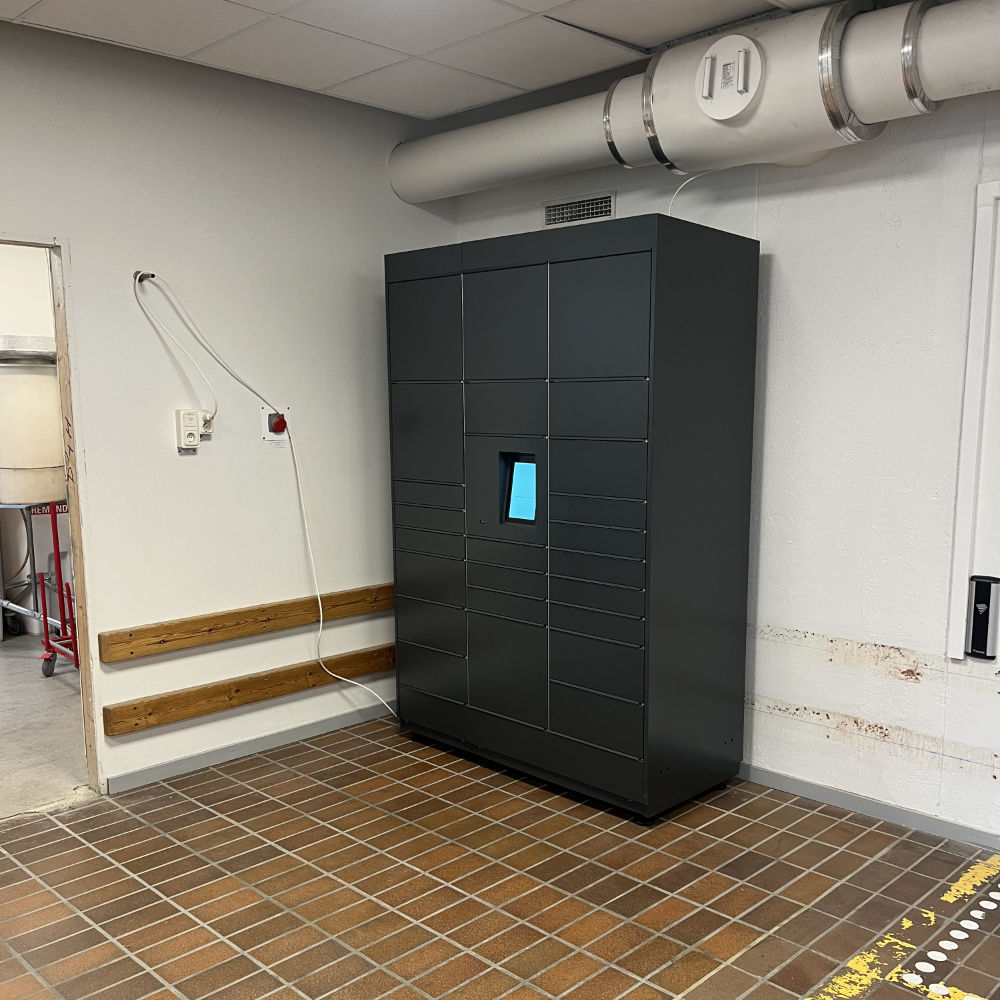
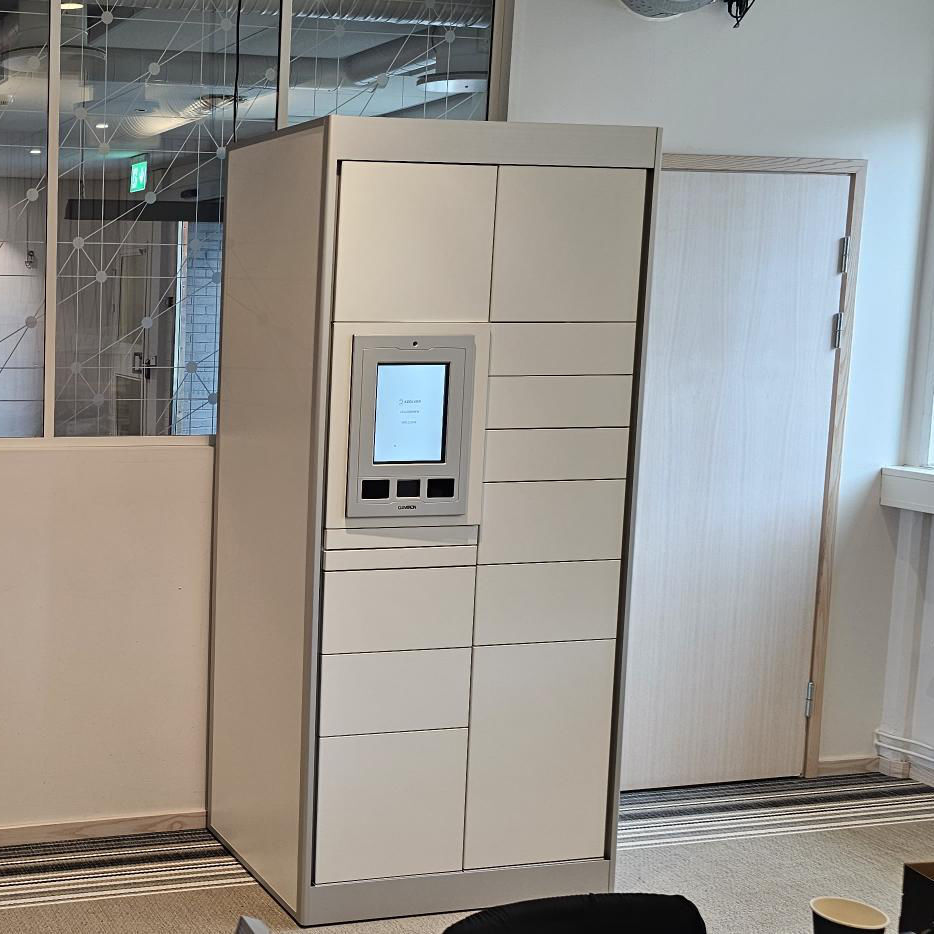
FP Trax was implemented at the central goods reception as the point of digital handover between freight forwarders and the university's service unit. When a parcel arrives, a single scan logs the item, records the carrier and generates an internal label that tells the team exactly which of the eight campus drop off points the parcel is going to. The arrival scan also functions as a formal receipt: the service unit now has a timestamped record that the freight forwarder delivered the item, which resolves any dispute about whether a parcel arrived.
For sensitive biological samples, the registration process includes a weight check. Staff weigh the parcel at the point of receipt and record the dry ice weight in FP Trax. If the weight is significantly below the expected value, the service unit knows immediately that the sample may be at risk. They can contact the recipient and arrange faster onward delivery before the parcel joins the standard distribution run. FP Trax gives the team the information they need to make that call in the moment, not after the fact.
Recipients receive an automatic notification by email the moment their parcel reaches its drop off point. For staff working flexibly or from home, this notification is what allows them to plan when to come in and collect. The service unit sends no manual calls. Grouped deliveries to the eight stations also reduce the number of individual runs needed across campus, cutting both environmental impact and traffic.
Results with FP Trax
The service unit at the University of Gothenburg now has a precise, real time view of where every parcel is across all eight campus drop off points. When a specific parcel is needed, the search takes seconds rather than minutes. When a parcel cannot be found, the arrival scan tells the team exactly whether it came in at all and which carrier brought it.
The dry ice workflow gives the service unit something they did not have before: the ability to act on a potentially compromised sample while there is still time. The weight is recorded at the point of receipt and any significant deviation is visible immediately. Samples that would previously have waited in the queue now get flagged and prioritised.
Grouped deliveries to the eight stations have reduced the number of individual distribution runs across campus. Fewer runs means less traffic and lower emissions, in line with the university's environmental commitments. Recipients receive their notification automatically and plan their collection around it, reducing the number of parcels that sit uncollected at drop off points.
FP Trax has also proved straightforward to manage. Staff can create new delivery locations themselves. New members of the service unit are productive from their first shift. The configuration adapts to the university's processes rather than requiring the university to adapt to the software.